
Physiotherapy is a range of activities carried out in collaboration with your physiotherapist, to restore your mobility, alleviate/remove pain, enhance physical fitness and educate.
To achieve this goal, detailed diagnosis (history and physical examination) is conducted, and appropriate techniques and home exercises are selected individually for each Patient.
Physiotherapy is an area which has been split recently into multiple paths,
and one of more interesting ones is dental rehabilitation.
In dental physiotherapy, our main goal is to achieve a coherent and correct function of the dental system which includes the teeth, temporomandibular joints and facial muscles.

What dental physiotherapy is and for whom
The first visit at dental physiotherapist begins with taking very detailed history about your problem, and collecting general information about your current health status and all relevant past events.
In the second part of the visit, temporomandibular joints, cervical spine, and the muscles of the masticatory system and of the neck are examined. If needed, postural analysis is also conducted – or the assessment of body posture and its potential impact on your condition.
In the third part of the visit, we proceed to planning further actions – communicating in a clear way recommendations on correct oral health routines, simple exercises for doing at home, scheduling the plan of physiotherapeutic visits, and – if necessary – referring the patient to consultation with specialists in other areas (e.g. referral to the neurological speech therapist, orthodontist, laryngologist).
Based on the examination performed at the diagnostic visit, an appropriate therapy is selected that begins with providing the patient with recommendations at the initial visit, and it continues at the subsequent physiotherapy visits.
Patients visit the physiotherapist with the following most common problems related to the chewing and the masticatory system:
- Teeth clenching and grinding.
- Pains and crackling noise in the temporomandibular joint area.
- Restricted/excessive mobility of the temporomandibular joints.
- Pains and feeling of increased muscle tension in the jaw and neck areas.
- Tooth pain (after exclusion of dental causes).
- Tension-type headache.
- Swelling, pain or trismus after dental surgery procedures.
- Tinnitus.
- Conditions prior to or during orthodontic, orthognathic (operative treatment of malocclusion) or prosthodontic treatment.

We ensure individual approach to our Patients, meeting
their needs and expectations. At out Centre, all necessary specialists are on the spot and collaborate with each other on every stage of the treatment process.
Pricelist
Physiotherapy
Temporomandibular joint therapy
It consists in detailed examination of the mobility of the masticatory system which includes muscles and joints, and very detailed Patient interview on health conditions, habitual movements and injuries especially in the head, neck and shoulder girdle areas.
from 280
Dental physiotherapy
Usually, it’s a series of meetings with the physiotherapist to implement the therapy. Very often in involves a combination of manual therapy, massage, teaching self-massage techniques and exercises, as well as e.g. taping.
from 280
At Aline Centre, we accept payment cards:




The prices are presented in the Polish zloty, are only indicative, and depend on the diagnosis and plan of treatment accepted by the Patient, and do not constitute an offer within the meaning of commercial law.
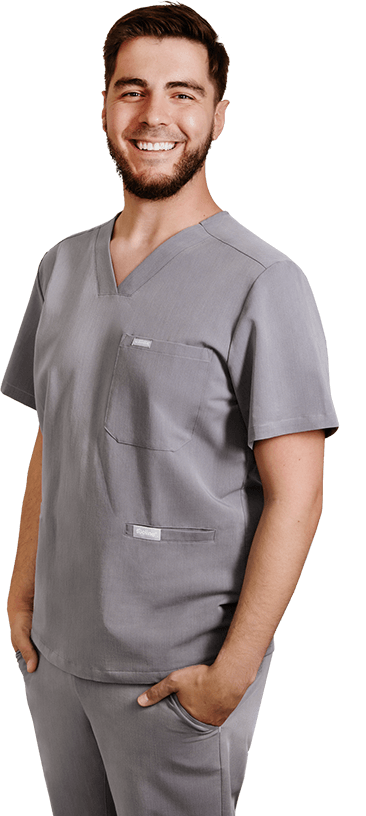
Mr Mateusz Grulkowski
dental physiotherapy
Ms Sandra Banaszewska
dental physiotherapy
